1. Home
  2. WiFi
  3. How to Change Your WiFi Password

How to Change Your WiFi Password

Slow internet? Unknown devices on your network? It might be time to change your WiFi password. According to CISA, you should use a unique password at least 16 characters long to protect your privacy online. Here’s everything you need to know about how to change your WiFi network name and password, so your network stays private and secure.

Read More: How to Find Your WiFi Password in Windows 11

Read More: How to Find Your WiFi Passwords on a Mac

How to Change Your WiFi Network Name and Password

To change your WiFi network name and password, open a web browser and enter your router’s IP address in the address bar. Then sign in to your router and go to “Wireless” settings. Finally, enter a new WiFi password and click “Save” or “Apply.”

Note: Some new mesh WiFi systems, like Google Nest WiFi and Amazon Eero, only allow you to change your WiFi password through the app.

  1. Open a web browser. You can use any web browser on your computer to find and change your WiFi password.
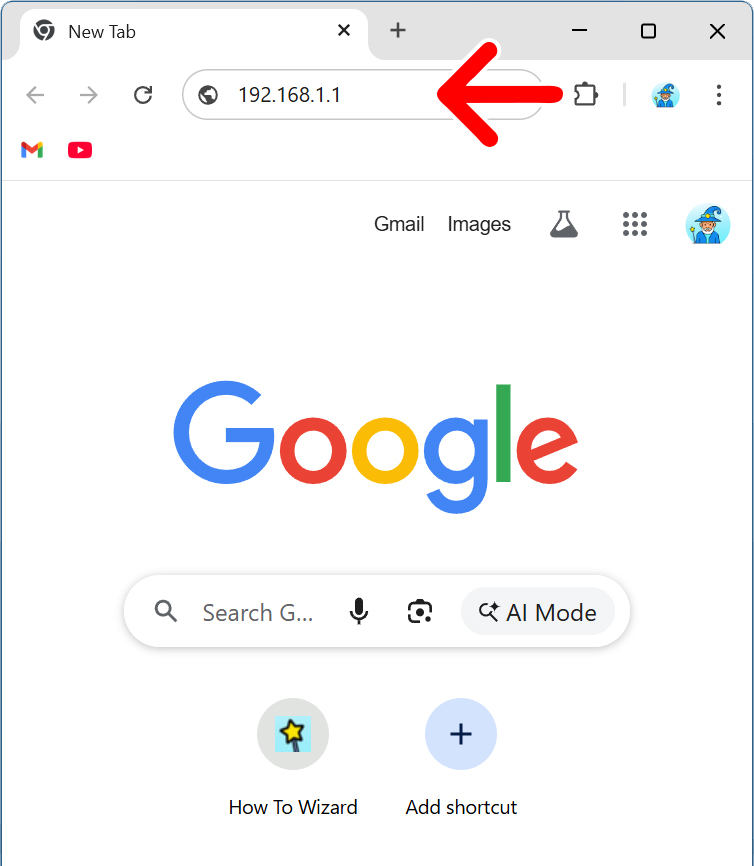
  2. Enter your router’s IP address into the browser’s address bar. This is the same place you enter a website URL at the top of your browser window.

    Note: The most common router IP addresses are: 192.168.0.1, 192.168.1.1, and 10.0.0.1. If none of these work, you’ll need to find your router’s IP address manually on your computer.

    AAA

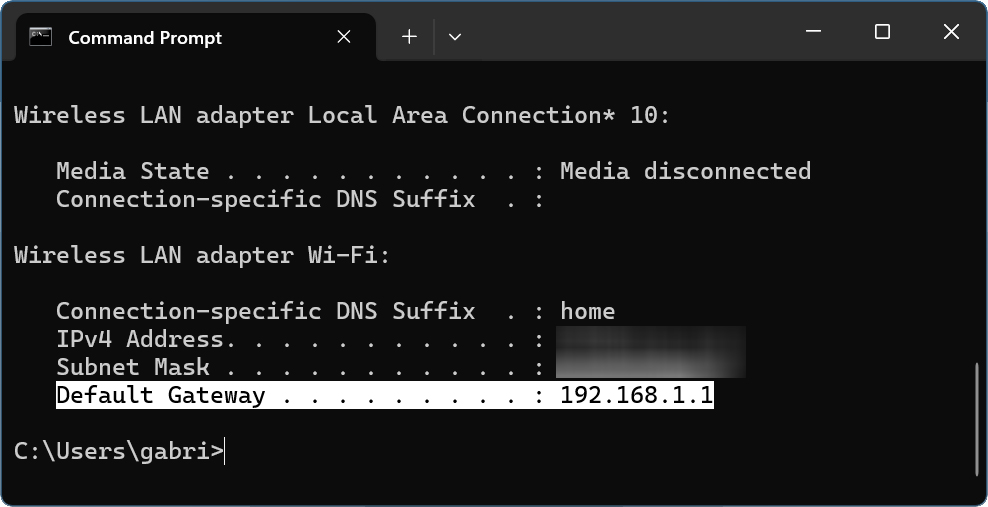
    To find your router’s IP address on a Windows PC: Click the Windows logo at the bottom of your screen, type “Command Prompt,” and click “Open.” Then type “ipconfig” and hit Enter on your keyboard. You’ll find your router’s IP address next to “Default Gateway” under “Wireless LAN adapter Wi-Fi.”

    AAA

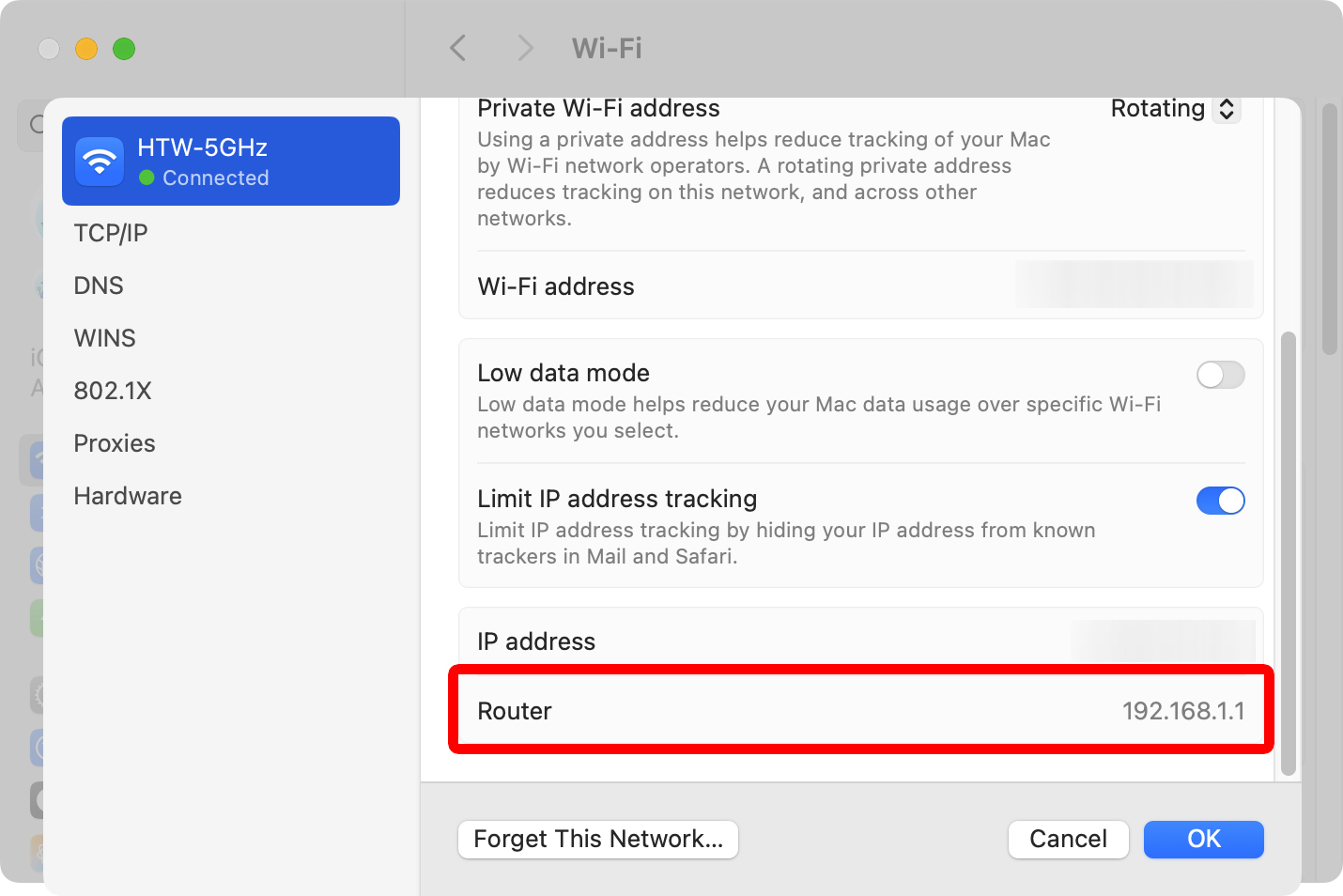
    To find your router’s IP address on a Mac: Click the Apple logo in the top-left corner of your screen and select “System Settings.” Then go to “WiFi” and click the “Details” button next to your network. You’ll find your router’s IP address next to “Router.”

    AAA
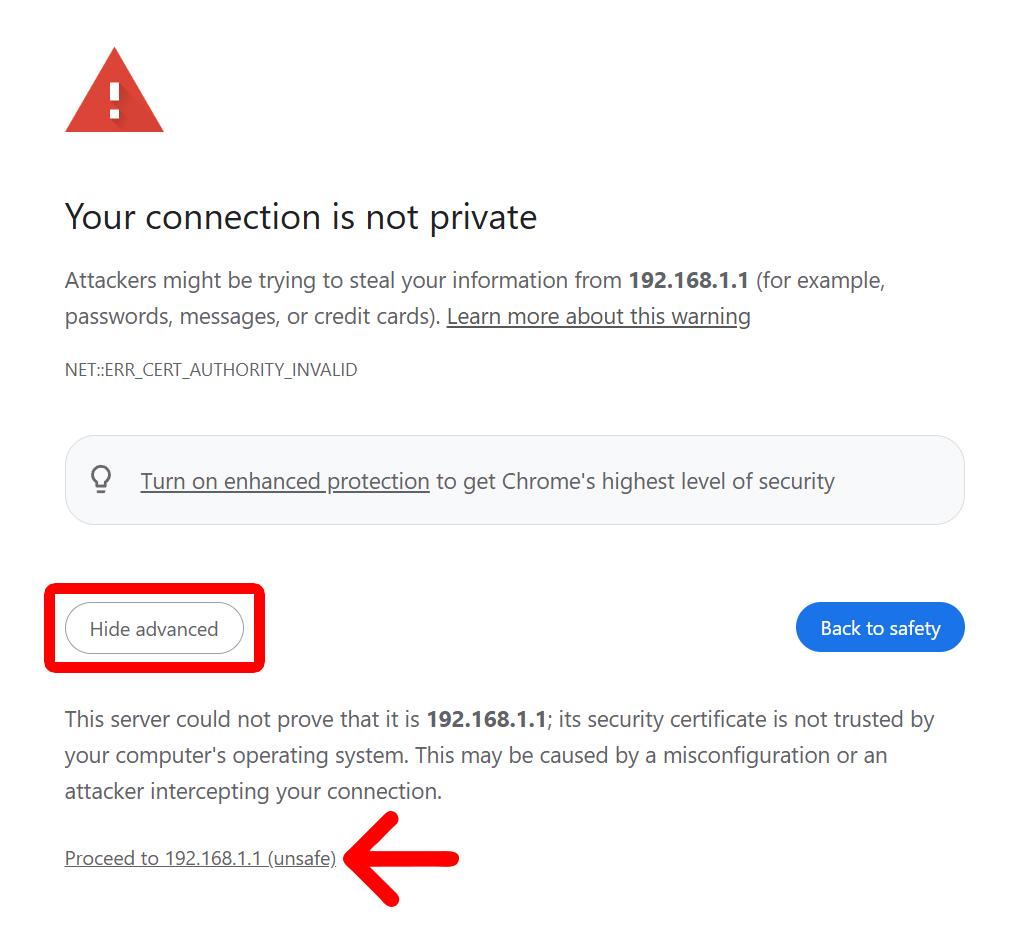
  3. If you see a warning screen, click “Advanced > Proceed.” On Safari, you will need to click “Show Details > Visit this website.”
    AAA
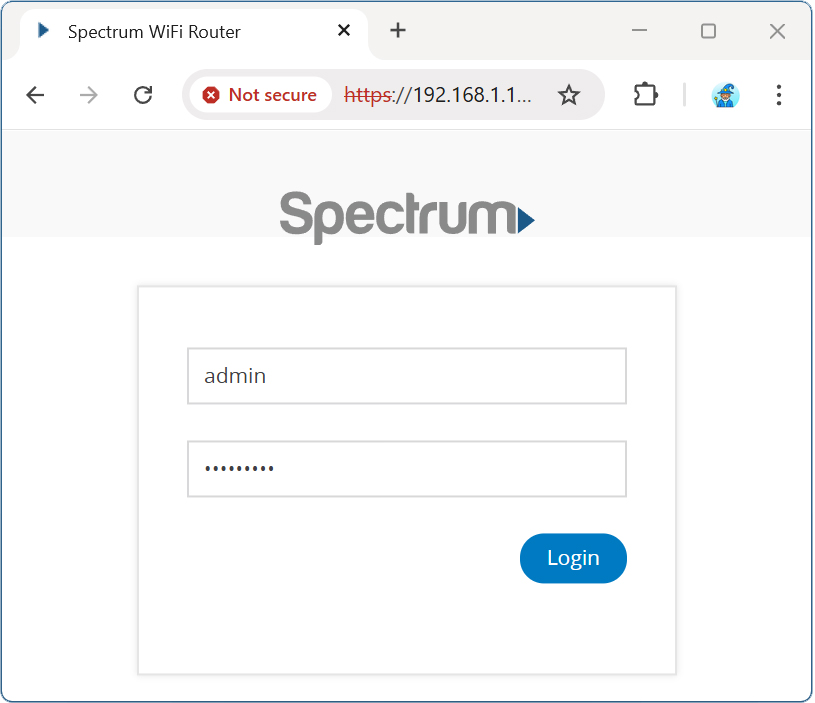
  4. Enter your router’s username and password.

    Note: If you don’t remember your password, you can always reset your router to factory settings. Then use the default username and password, which are usually both “admin” or blank.

    AAA
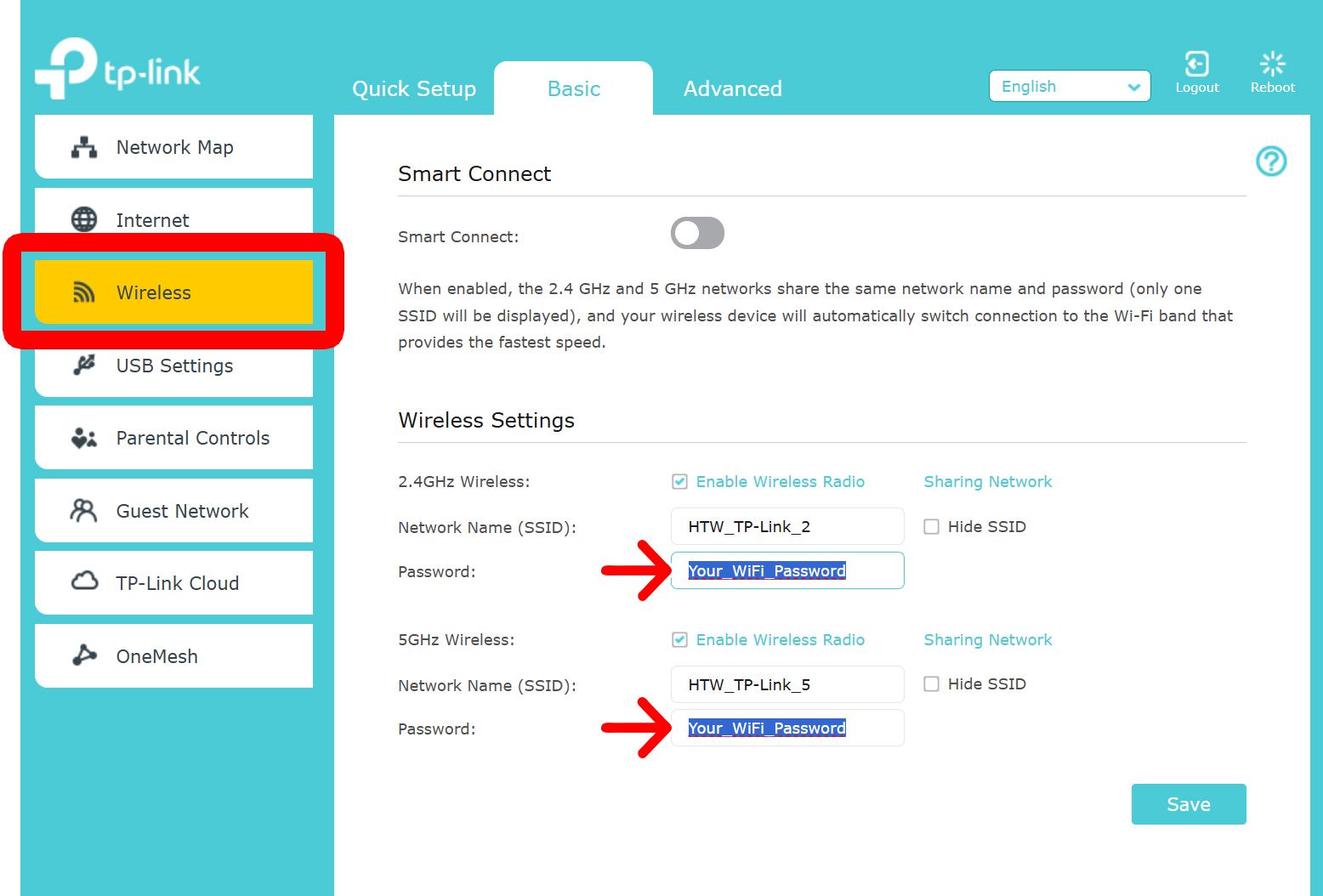
  5. Go to “Wireless” settings. You will usually see this as a tab on the left or top of the window.

    Note: Many routers will show your wireless settings right when you sign in. If you see your “Network Name (SSID)” and “Password” (or “Passphrase” or “WPA Key” or something similar), you might be able to change them without navigating from this screen.

    How to Change Your WiFi Network Name and Password

    Note: Every router is different, so the path you take might be different, depending on your model:
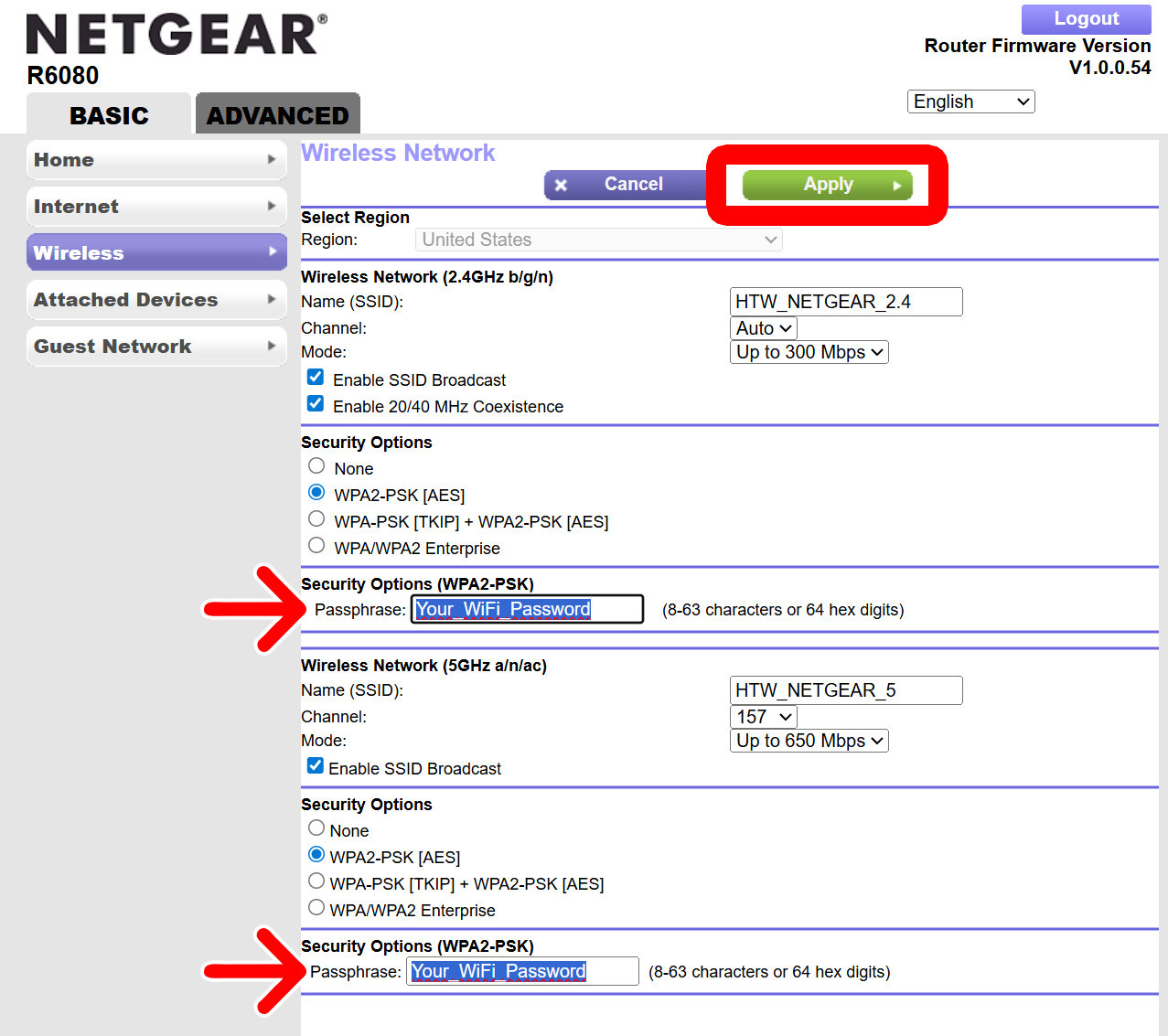
    Netgear: Basic > Wireless > Passphrase
    TP-Link: Wireless > Basic > Password
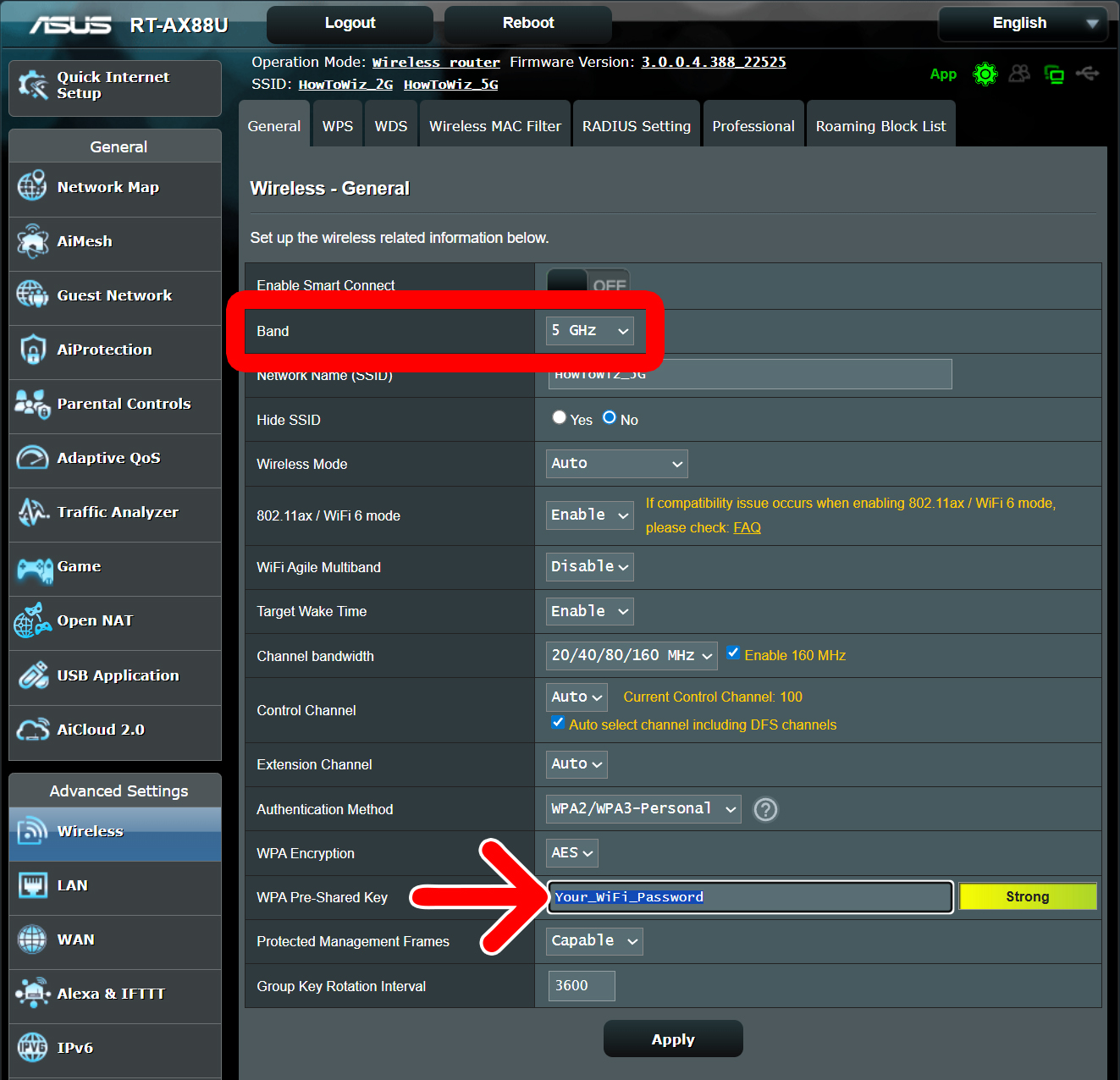
    Asus: Advanced Settings > Wireless > General > Band > WPA Pre-Shared Key
    D-Link: Settings > Wireless > Password
    Linksys: Router Settings > Wi-Fi Settings > Wi-Fi password
    Spectrum: Advanced > [choose a network] > Wi-Fi Password

  6. Choose a WiFi band. Some routers will let you connect to more than one “band” (or WiFi network). Some routers list all WiFi bands on the page; others have a drop-down menu.
    How to Change Your WiFi Network Name and Password
  7. Enter a new WiFi password. Click on the text field next to “Password,” “Passphrase,” “WPA Key,” or something similar. Then type a new WiFi password into the text field to change your old password.
  8. Finally, click “Save” or “Apply.” You will usually see these at the top or bottom of the settings page.
    Note: Once you change your WiFi network name or password, your router will restart and all your devices will be disconnected. Then you will need to reconnect them manually.

    How to Change Your WiFi Network Name and Password

Read More: How to Change WiFi Networks on an Echo Dot

Updated on September 1, 2025
Was this article helpful?

Leave a Comment